
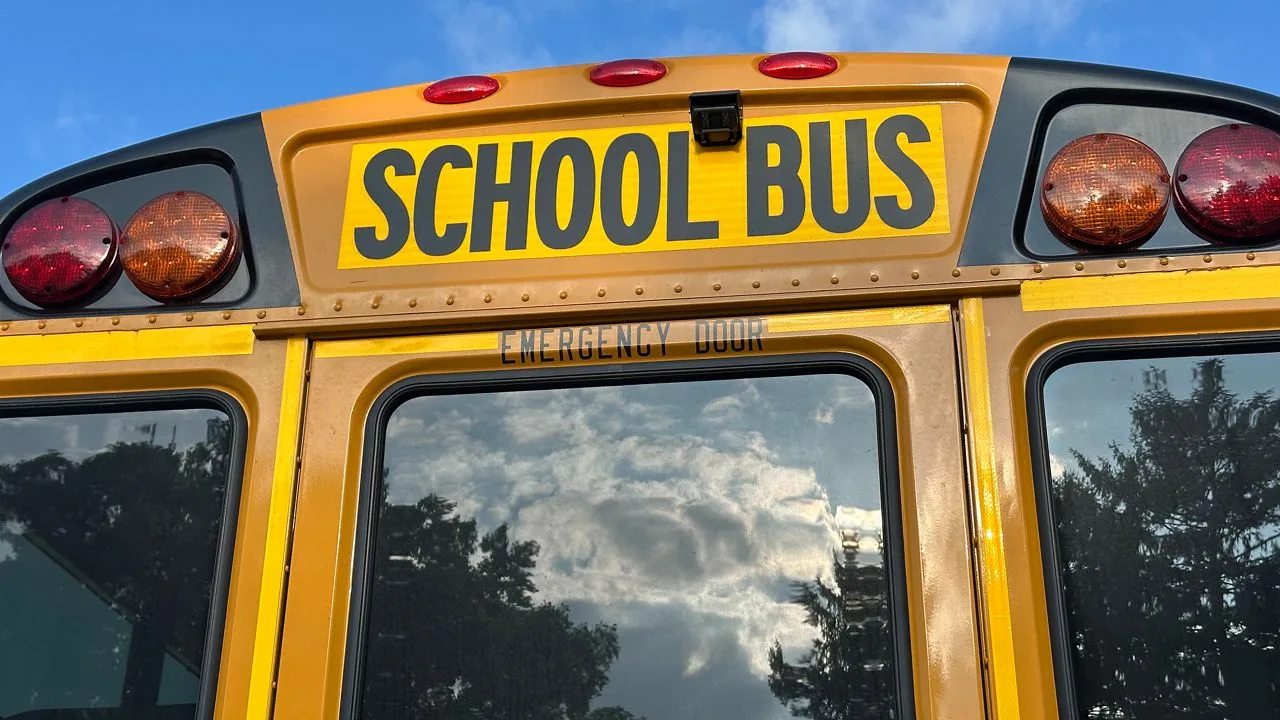
CLARKSVILLE, TN — The Clarksville-Montgomery County School System is seeking to move the question of damage payments from a March bus crash into federal court, according to filings submitted Oct. 20. The district says a judge should take control of how money is divided among families and others with claims tied to the wreck in Carroll County.
In its complaint, the district says the expected damages total $700,000. CMCSS describes itself as a neutral party with no interest in how the limited fund is allocated, beyond meeting any legal obligation it may have under Tennessee law. The school system also says it is not admitting liability through the filing.
How the Carroll County crash unfolded
The crash happened while students from Kenwood Middle School were being transported through Carroll County to a school competition. According to the district’s account, the bus driver entered oncoming traffic and then struck a Tennessee Department of Transportation dump truck and another vehicle.
Two eighth grade students were killed in the collision. At least seven other people were injured, including the bus driver. The crash drew immediate attention because it involved multiple vehicles, young students and a state transportation truck on a rural roadway.
The filing does not change the underlying facts of the crash, but it does show that the district is focusing on how any financial claims should be handled now that several people may seek compensation.
District says competing claims make a court-supervised split necessary
CMCSS argues that the number of potential claimants is one reason it wants a federal judge to oversee the distribution of damages. The district says the available money is limited and that several parties may compete for it, creating a situation it believes should be sorted out in one forum.
That approach would place the allocation decision with the court rather than leaving it to separate negotiations or overlapping claims in different venues. The district’s complaint says this would help determine how the fund should be divided among the competing defendants and other claimants involved in the crash litigation.
At this stage, the school system is not asking the court to accept responsibility for the wreck. Instead, it is asking the judge to manage the payment process while the legal fight over the crash continues.
Families and their attorneys say they want answers
Attorneys representing victims’ families say the district’s move does not address the bigger questions they want answered. Morgan & Morgan founder John Morgan and attorney Susan Neal Wiley said the filing appears designed to block families from learning what happened and why.
They said they intend to challenge both the interpleader action and a motion to stay proceedings in state court. Their goal, they said, is to keep the case moving so they can continue seeking information and pursue accountability for those they believe were responsible.
The firm also said the Davis family and other relatives are angry and upset by the district’s actions. The legal response from other families has not yet been made public.
The school system has not commented on the filing
CMCSS did not respond to a request for comment about the complaint. That leaves the Oct. 20 filing as the district’s main public explanation for why it wants federal court to decide how the money should be handled.
The case now appears set for another round of legal maneuvering as lawyers on both sides weigh the next steps. For the district, the immediate issue is how to distribute a limited amount of money. For the families, the larger concern remains how the crash happened and who should be held accountable.
What the filing could mean for the next phase of litigation
The complaint suggests the district is trying to separate the question of payment from the broader fight over responsibility. By putting the damages issue in federal court, CMCSS is asking for a structured process that could reduce conflict over who gets what and when.
But the families’ lawyers have made clear that they see the filing differently. They want the legal process to keep pressing toward answers, not just a payout. That divide sets up a continuing dispute over both money and accountability as the aftermath of the Carroll County crash moves forward.
For now, the only certainty is that the crash remains both a tragic and active legal matter, with families still pursuing answers and the district trying to contain the financial fallout.
