
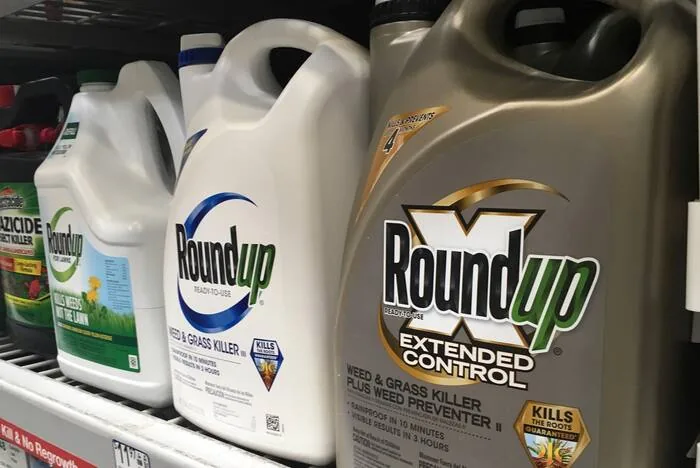
JEFFERSON CITY, MO — A Missouri judge has approved a nationwide settlement that will pay Bayer up to $7.25 billion over two decades to resolve thousands of claims from people who say the company failed to warn that Roundup could cause cancer. The agreement covers current claimants and people who may be diagnosed with non-Hodgkin lymphoma in the future after using the herbicide before the deal was proposed in February.
St. Louis Circuit Judge Timothy Boyer said the average payouts are fair and adequate and called the total amount one of the largest mass tort personal-injury class action settlements in history. The approval also includes $600 million for attorneys’ fees. Bayer said the decision marks an important step in limiting the risks tied to both pending and future Roundup litigation.
How the Roundup settlement would pay claimants over time
The settlement is structured as annual payments into a special fund for as long as 21 years. Individual awards will depend on how a person used Roundup, how old they were when diagnosed and how severe the illness is. That means the amount each claimant receives could vary widely even though the case is being resolved on a nationwide basis.
According to the deal, workers with long-term agricultural, industrial or turf exposure could average about $165,000 if they were diagnosed before age 60 with a more aggressive form of the disease. At the other end of the scale, someone diagnosed at age 78 or older could receive an average of about $10,000. Court-appointed counsel for cancer patients said the agreement gives people guaranteed compensation after waiting years for a resolution.
Supreme Court ruling changed the legal pressure around Roundup cases
The settlement came after the U.S. Supreme Court weakened one of the plaintiffs’ key arguments. In June, the court ruled that Bayer cannot be sued in state courts for failing to warn users about cancer because federal rules do not require a cancer warning label and states cannot impose extra labeling requirements.
That ruling raised concerns among claimants’ lawyers that some cases could become harder to win. Several attorneys argued that the settlement was too small, but others said it was better than risking no recovery at all. During the approval process, lawyers also weighed the possibility that the company could have sought bankruptcy protection if the agreement had been rejected.
Bayer says the agreement brings more certainty as lawsuits continue
Bayer has denied that Roundup causes cancer, but the company has faced about 200,000 related claims, many from people who say they used it on residential lawns and gardens. The German company has already changed the formula of the Roundup sold for home use and removed glyphosate from newer residential versions.
Bill Anderson, Bayer’s chief executive, said the approved deal is a major milestone in the company’s plan to reduce the risks tied to Roundup litigation. The agreement is meant to address most of the remaining lawsuits, along with future claims from people exposed before the settlement was announced. Bayer had already set aside $16 billion for Roundup-related legal costs before this new arrangement.
The science and the courtroom remain split over glyphosate
Roundup has been on the market for more than 50 years. Monsanto introduced it in 1974 with glyphosate as the active ingredient, and Bayer inherited the product when it bought Monsanto in 2018. The herbicide became widely used in farming because it is paired with genetically modified crops that can withstand it, allowing farmers to control weeds while reducing tilling.
The product is also widely used on lawns and gardens. The World Health Organization’s International Agency for Research on Cancer said in 2015 that glyphosate is probably carcinogenic, while the U.S. Environmental Protection Agency has said it is not likely to cause cancer in humans when used as directed. That divide has helped fuel years of litigation over what Bayer and Monsanto knew, and when.
Mixed jury verdicts show how uncertain future Roundup litigation may be
The lawsuits have produced uneven results in court. Only a few dozen cases have gone before juries, with some verdicts favoring Bayer and others siding with plaintiffs. One Georgia jury awarded $2.1 billion to plaintiffs in a landmark case, while a Missouri jury in October returned a defense verdict after the Supreme Court’s ruling.
After that Missouri win, Bayer’s U.S. general counsel Bill Dodero said the result should signal that future plaintiffs will face major obstacles. Even with the new settlement in place, the decision can still be appealed, meaning the legal fight over Roundup may not be over. The approved deal was filed in St. Louis Circuit Court, in the state where many of the lawsuits have been pursued.
What the court approval means for current and future claimants
The approval is intended to cover most of the remaining lawsuits and any additional claims from people who were exposed before the settlement proposal. For current plaintiffs, it offers a path to payment without having to wait through more years of litigation. For future claimants, it sets out a compensation structure in advance, though that structure has drawn criticism from some lawyers.
Attorney Gerson Smoger called the arrangement the “scariest, worst future settlement” he had seen in a September hearing, arguing that it limits recovery options and leaves the product on the market. Supporters of the deal countered that it provides something many claimants might not get otherwise. With judicial approval now secured, the settlement becomes the central framework for resolving much of Bayer’s Roundup exposure.
