
MURFREESBORO, TN — Kim Webb says she learned her 19-year-old son Jimmy had been killed in a hit-and-run crash only after her father sent her a news article the morning after the wreck. Jimmy had been riding his motorcycle home from work on backroads in Smyrna when a driver failed to yield and turned left in front of him, then left the scene.
What followed, Webb said, convinced her that Tennessee’s penalties for fleeing a deadly crash were too light. She said the case showed how little time a person could face for leaving after a fatal collision, even when a family is left grieving the loss.
How Jimmy’s Law changed Tennessee sentencing
Webb’s frustration became the driving force behind a new state law named for her son. This year, Tennessee passed Jimmy’s Law, which requires at least one year of confinement in certain fatal hit-and-run cases.
Webb said the measure also makes clear that the year must be served in full. For her, that was an important step toward holding drivers accountable when they flee after causing a death. She described the law as a hard-won response to a system she believed did not treat the offense seriously enough.
Even with the law in place, Webb said she views it as a beginning rather than an end. She has continued to press lawmakers for stronger consequences in fatal hit-and-run cases.
A mother’s grief turned into public advocacy
Webb has spoken openly about how the criminal process following her son’s death shaped her understanding of the case. She said the sentence in the case left her stunned, especially because the punishment she saw was tied to a separate charge rather than the fatal act of fleeing the scene itself.
That experience pushed her beyond private mourning and into public advocacy. She has become one of the faces of the campaign for tougher treatment of drivers who leave deadly crash scenes, arguing that the choice to drive away should carry serious consequences.
Her message has stayed centered on accountability and on the lasting impact on families left behind after a fatal crash.
Families gather in Murfreesboro to honor road traffic victims
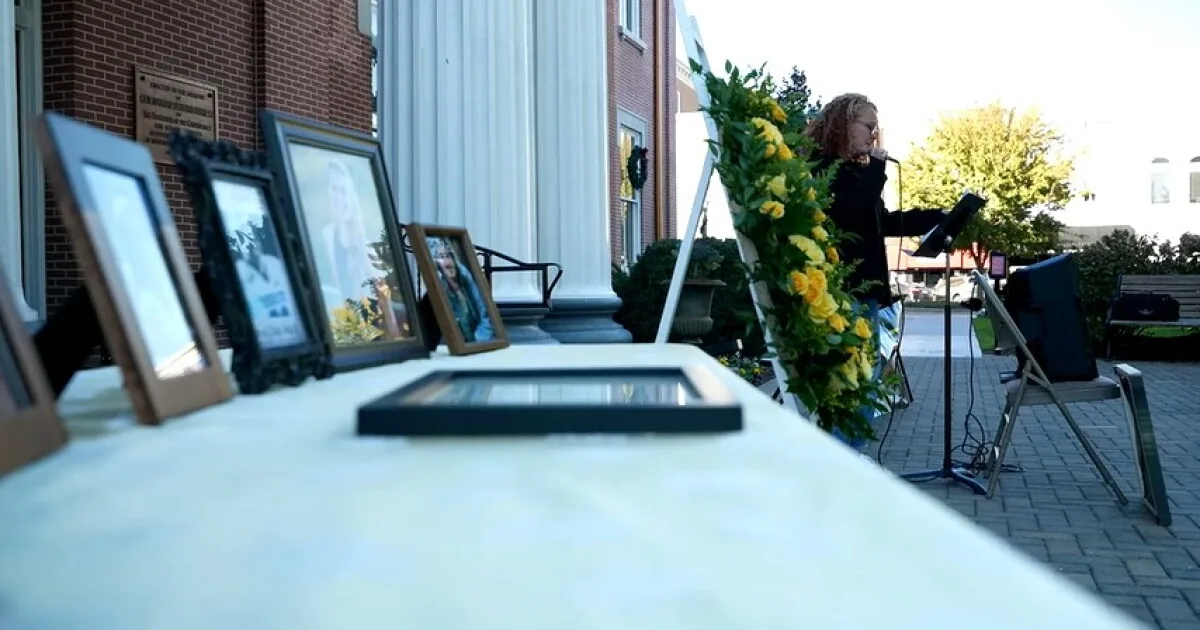
On Sunday, Webb joined other families in Murfreesboro for the World Day of Remembrance for Road Traffic Victims. The gathering gave grieving relatives a place to share stories about the people they have lost and the gaps they see in traffic safety and accountability.
For Webb, the event was another opportunity to speak about Jimmy and to place his story within a broader effort to remember people killed on the road. The observance also underscored that fatal crashes leave behind more than statistics. They leave families trying to navigate loss, legal proceedings and questions about whether the system responds strongly enough.
She wants prosecutors to have more time to bring charges
Webb said she is now pushing for additional changes beyond Jimmy’s Law. She wants penalties strengthened further and wants prosecutors given more time to bring certain fatal hit-and-run charges.
Her argument is that someone who leaves the scene after a deadly crash should face a punishment that reflects the seriousness of that decision, even if impairment is never established. Webb said the choice to flee itself should be treated as a grave offense.
That push suggests the campaign is not ending with one law. Instead, Webb is trying to keep pressure on lawmakers and prosecutors so future cases can be handled more aggressively.
A case that continues to shape Tennessee traffic policy
Jimmy’s death happened on rural backroads in Smyrna, but Webb’s response has reached into the state Capitol and into public conversation about hit-and-run enforcement. The case has become part of a broader discussion about how Tennessee responds when a driver leaves the scene after causing a death.
For Webb, the legislation named after her son represents proof that family advocacy can change state law. Still, she says the work is unfinished because the consequences for fatal hit-and-run cases remain too limited in her view.
As she continues to press for change, Jimmy’s story remains at the center of her effort to make the penalties match the harm families endure.
