
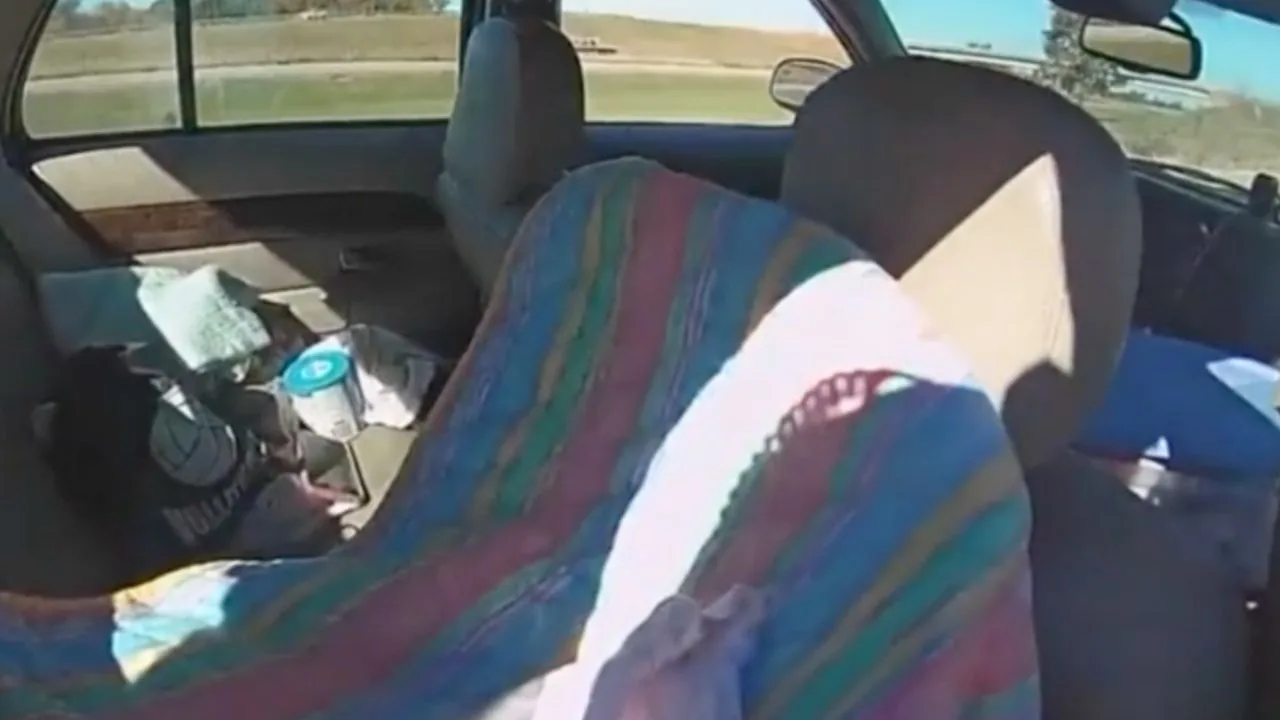
LEBANON, MO — A six-week-old infant is safe after an abduction in Lebanon, according to Missouri authorities, who say a Flock automated license plate reader helped officers quickly find the child.
The incident began Tuesday morning, Nov. 10, after the Missouri Highway Patrol said the baby was taken from a business in the 600 block of West Route 66. Lebanon police were notified and soon learned that a family member from out of town was the last person seen with the infant. Officers then used a vehicle description and the city’s camera system to help determine which direction the person had driven.
Police say the search moved quickly after the vehicle was identified
Lebanon Police Chief Jerry Harrison said the technology did not replace officers on the ground, but it made the response faster. In a news release, he said speed mattered because every minute counted in a case involving a baby.
Investigators were able to narrow the search after the vehicle appeared to be heading toward Jefferson City. That information was passed to the Missouri State Highway Patrol, which then became more directly involved in the effort to find the infant and the vehicle.
The sequence shows how local officers and state troopers coordinated in the early stages of the case, using both witness information and automated camera data to focus the search area before the alert system fully ramped up.
AMBER Alert process started before trooper found the vehicle
The Missouri State Highway Patrol began the AMBER Alert process, but the search ended before the alert was fully out. According to authorities, a trooper located the vehicle on U.S. 54 just 17 minutes after the AMBER Alert request was issued.
Troopers stopped the vehicle and found the infant unharmed. Officials did not report any injuries to the child, and the baby was described as safe after the stop.
The short timeline underscores how quickly the case moved once police had a usable vehicle description. The camera system helped give officers a direction to work with, and the state patrol was able to put that information into action before the alert process had time to stretch much farther.
Officials credit teamwork between local police and state troopers
Harrison said the case reflected the kind of coordination Lebanon police train for with the Missouri State Highway Patrol. He said the department’s officers performed well and credited the tools available to them for helping bring the case to a safe ending.
The chief also emphasized that the camera system is not a substitute for police work. Instead, he said it speeds up the process by giving officers information faster than they might otherwise obtain in a rapidly developing emergency.
That combination of traditional policing, interagency communication and automated camera technology appears to have been central to the response. Officials said the rapid handoff from local police to state troopers helped keep the search moving from the business where the infant was last seen to the highway where the vehicle was eventually stopped.
Why automated license plate readers are drawing attention in urgent cases
The Lebanon case highlights the role automated license plate reader systems can play in urgent public safety calls. In this instance, the Flock technology helped officers track the likely direction of travel after the vehicle was identified and then locate it on a major highway.
For police departments, the value of the system is often its speed. Rather than relying only on manual searches or slower public notifications, officers can use camera hits to build a faster picture of where a vehicle may have gone.
Authorities in Lebanon did not say anything in their release about whether the system had been used in a similar case before, but they did present this one as an example of the technology supporting an active rescue effort. The baby’s safe recovery was the immediate priority throughout the search.
What authorities said happened after the infant was recovered
Police said the infant was found unharmed after the vehicle was stopped, and no additional injuries were reported in the immediate account from authorities. The baby’s recovery ended the emergency that had started earlier that morning at the Lebanon business.
Authorities did not release more details about the family relationship or what led to the abduction. They also did not say in the release what charges, if any, might follow. For now, the main confirmed outcome is that officers located the vehicle quickly and the infant was safely recovered.
The case demonstrates how local and state agencies can move from a missing-child report to a highway stop in minutes when information, technology and coordination line up at the right time.
